Skip to content

Post Weight-Loss Face & Body Contouring

Post Weight-Loss Face & Body Contouring

Helping You Feel Like Yourself After Weight Loss

Significant weight loss can be life-changing. Whether you’ve lost weight with GLP-1 medications such as Ozempic, Wegovy, Mounjaro or Zepbound, bariatric surgery, lifestyle changes, or a combination of approaches, the results can be an important step toward better health and confidence.

But for many patients, weight loss also brings changes they did not fully expect.

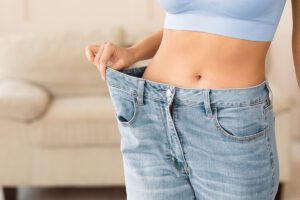
You may notice loose skin, facial hollowing, neck laxity, breast changes, or areas of the body that no longer match how you feel. These changes are common after major weight loss, and they do not mean anything went wrong. They simply mean your body has entered a new stage.

At Advanced Specialty Care, our Plastic & Cosmetic Surgeons helps patients understand their options after significant weight loss, from non-surgical facial rejuvenation to body contouring surgery.

Your Next Chapter After Weight Loss

Losing weight can change more than the number on the scale. It can change the way your clothing fits, the way your face looks, the shape of your body, and the way your skin responds.

Some patients are most bothered by excess skin around the abdomen. Others notice their face looks thinner, older, or more tired. Some patients feel frustrated by loose upper arms, sagging breasts, thigh laxity, or changes in the neck and jawline.

The right approach depends on what has changed, where you are in your weight-loss journey, and what you want to improve.

Our goal is not to “undo” your weight loss. It is to help your face and body better reflect the way you feel after your transformation.

Common Concerns After GLP-1 or Major Weight Loss

Patients often schedule a Plastic & Cosmetic Surgery consultation after weight loss for concerns such as:

  • Loose abdominal skin
  • An overhanging abdominal apron (also called a pannus)
  • Facial volume loss or “Ozempic Face”
  • Loose skin in the neck or jawline
  • Sagging breasts or loss of breast volume
  • Loose skin on the upper arms
  • Loose skin on the thighs
  • Changes in the buttocks or lower body
  • Rashes, irritation or discomfort from excess skin
  • Areas that still feel out of proportion after weight loss

Because each patient’s anatomy and goals are different, treatment may involve one procedure, a combination of procedures, or a staged plan over time.

What Is “Ozempic Face”?

“Ozempic Face” is a popular phrase used to describe facial changes that can happen after significant weight loss. It is not a medical diagnosis, and it does not only happen with Ozempic. Similar changes can occur after weight loss from GLP-1 medications, bariatric surgery, diet and exercise, or other weight-loss methods.

When patients talk about “Ozempic Face,” they’re often describing concerns such as:

  • Hollow cheeks
  • Under-eye hollowing
  • A thinner or more tired appearance
  • Deeper folds around the mouth
  • More visible jowls
  • Loose skin along the jawline
  • Neck laxity

The face naturally has fat pads that help create softness, fullness, and youthful contour. When weight loss reduces that facial fullness, some patients feel they look older or less like themselves.

Treatment Options for Facial Volume Loss

If the primary concern is facial deflation or volume loss, non-surgical options may help restore balance.

Depending on your anatomy and goals, options may include:

  • Hyaluronic acid dermal fillers
  • Sculptra or Radiesse in appropriate patients
  • Botox or other neuromodulators
  • A liquid facelift-style approach for selected patients
  • Fat transfer in selected surgical cases

The goal is not to overfill the face. The best results after weight loss are thoughtful, balanced, and natural-looking.

When a Facelift or Neck Lift May Be Better

If the concern is loose skin, jowling, or neck laxity, injectables alone may not provide the result you want.

A facelift or neck lift may be recommended when patients are bothered by:

  • Jowls
  • Loose neck skin
  • Loss of jawline definition
  • Sagging in the lower face
  • A heavier or aged neck appearance

Surgery can reposition and tighten deeper tissues in a way that non-surgical treatments cannot. For the right patient, this may create a more natural, longer-lasting improvement.

Loose Skin After Weight Loss

Loose skin is one of the most common concerns after major weight loss. This can happen because skin has limits to how much it can stretch and retract.

Skin elasticity depends on several factors, including:

  • Age
  • Genetics
  • Amount of weight lost
  • How long the skin was stretched
  • How quickly the weight was lost
  • Pregnancy history
  • Skin quality
  • Weight stability

Exercise can strengthen muscle and improve fitness, but it cannot remove extra skin. Skincare can support skin health, but it cannot correct significant hanging skin. When excess skin is the main concern, surgery is often the most effective option.

Plastic Surgery Options After Weight Loss

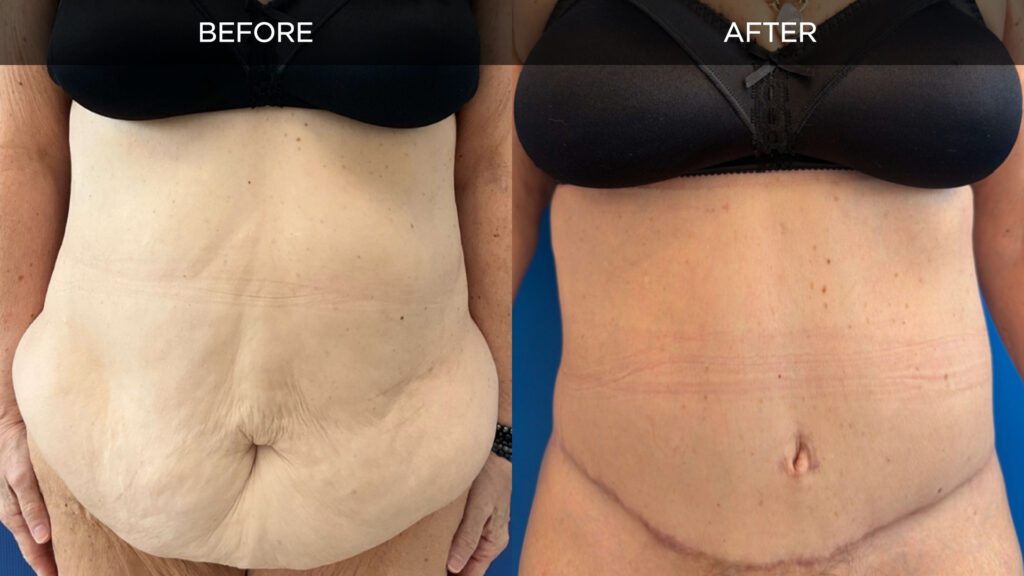
After significant weight loss, many patients are bothered by loose skin around the abdomen. Some also have abdominal muscle separation or weakness, especially after pregnancy or major weight changes.

A tummy tuck, also called abdominoplasty, can remove excess abdominal skin and improve abdominal contour. In some patients, it may also involve tightening the abdominal wall and repositioning the belly button.

A tummy tuck may be appropriate for patients with:

  • Loose abdominal skin
  • Lower abdominal overhang
  • Abdominal skin laxity after weight loss
  • Abdominal muscle separation in appropriate candidates
  • Concerns that cannot be corrected with exercise alone

Liposuction may be used in selected cases for contour refinement, but liposuction is not a weight-loss procedure and does not remove loose skin.

Some patients develop an overhanging fold of skin and tissue on the lower abdomen called a pannus. This can sometimes cause rashes, irritation, hygiene problems, discomfort, or difficulty with clothing.

A panniculectomy removes the overhanging pannus. Unlike a full tummy tuck, it is primarily focused on removing the excess lower abdominal skin and tissue rather than reshaping the entire abdomen.

In some cases, when excess skin causes medical symptoms, insurance coverage may be considered. Coverage depends on your insurance plan, medical documentation, symptoms, and clinical evaluation. Your surgeon can discuss whether your concern appears cosmetic, medically necessary, or a combination of both.

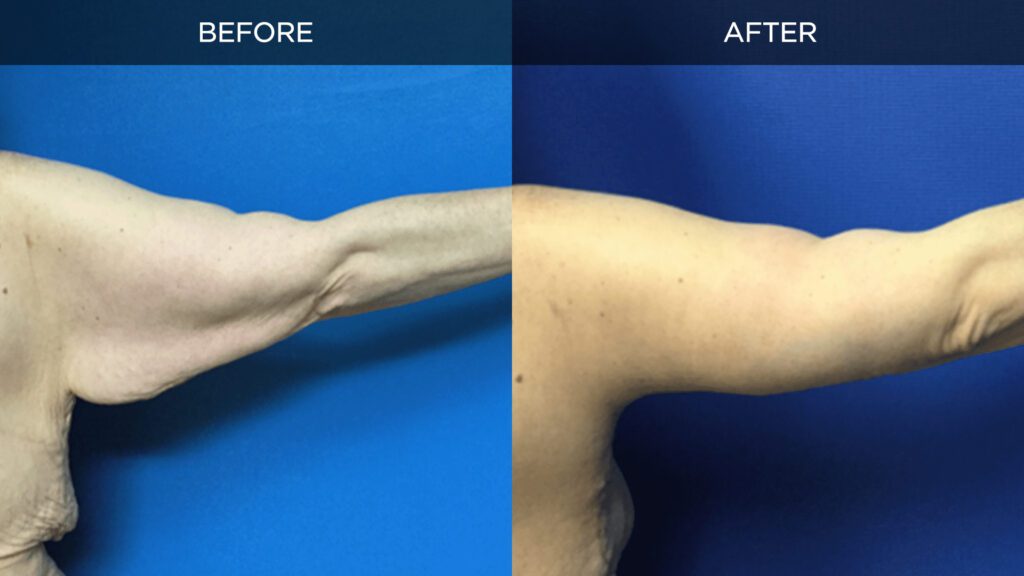
Loose upper-arm skin is common after major weight loss and can be difficult to improve with exercise alone.

An arm lift, also called brachioplasty, removes excess skin from the upper arm to create a more contoured appearance. This procedure may be helpful for patients who are bothered by hanging skin, often described as “wings,” along the inner upper arms.

An arm lift may be appropriate for patients who:

  • Have loose or hanging upper-arm skin
  • Feel uncomfortable wearing sleeveless clothing
  • Have skin laxity that does not improve with exercise
  • Want a more contoured upper-arm shape

After weight loss, excess skin may remain along the thighs, especially the inner thighs. This can cause cosmetic concerns, friction, discomfort, or difficulty with clothing.

A thigh lift removes excess skin and helps improve thigh contour. The type of thigh lift depends on the location and amount of excess skin.

A thigh lift may be appropriate for patients with:

  • Loose inner-thigh skin
  • Thigh skin laxity after major weight loss
  • Discomfort or rubbing from excess skin
  • Difficulty improving thigh contour through exercise alone

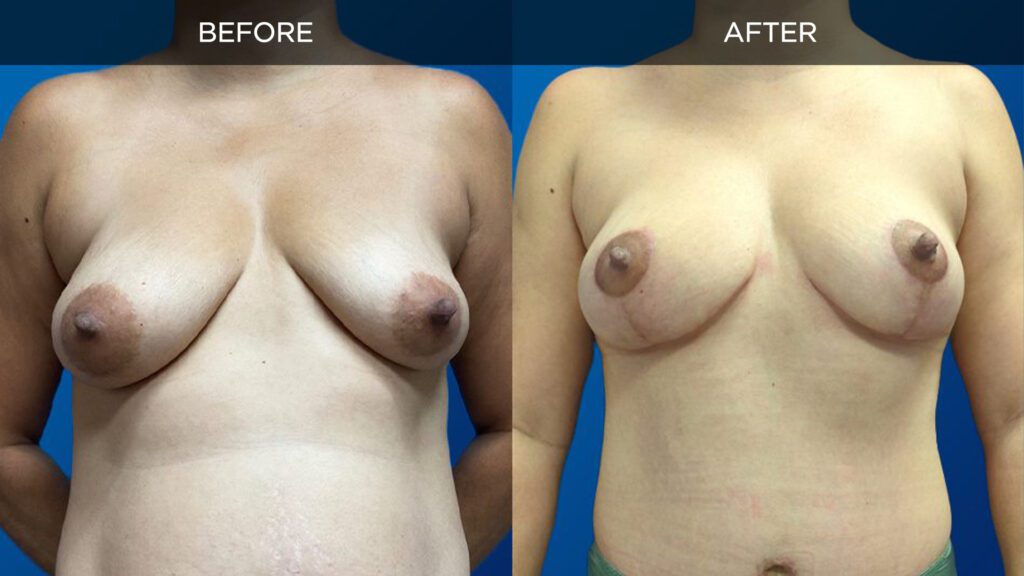
Weight loss can change breast shape, position, and volume. Some patients feel their breasts look deflated, lower, or less proportional after losing weight.

A breast lift, also called mastopexy, removes excess skin and lifts the breasts to a more natural position. This can help improve breast shape after weight loss.

A breast lift may be appropriate for patients with:

  • Sagging breasts after weight loss
  • Loss of breast shape
  • Nipples that sit lower than desired
  • Loose breast skin
  • Desire for a lifted, reshaped appearance

Some patients may also consider breast augmentation if they want to restore volume, or breast reduction if breast size continues to cause discomfort.

For some patients, weight loss does not fully resolve breast heaviness, discomfort, rashes, shoulder grooving, back pain, or difficulty with activity.

A breast reduction removes excess breast tissue, fat, and skin to create a smaller, lighter breast shape. In appropriate cases, insurance coverage may be considered when symptoms and documentation support medical necessity.

A breast reduction may be appropriate for patients with:

  • Large or heavy breasts after weight loss
  • Back, neck, or shoulder discomfort
  • Skin irritation or rashes under the breasts
  • Difficulty with exercise or clothing
  • Desire for a smaller, more lifted breast shape

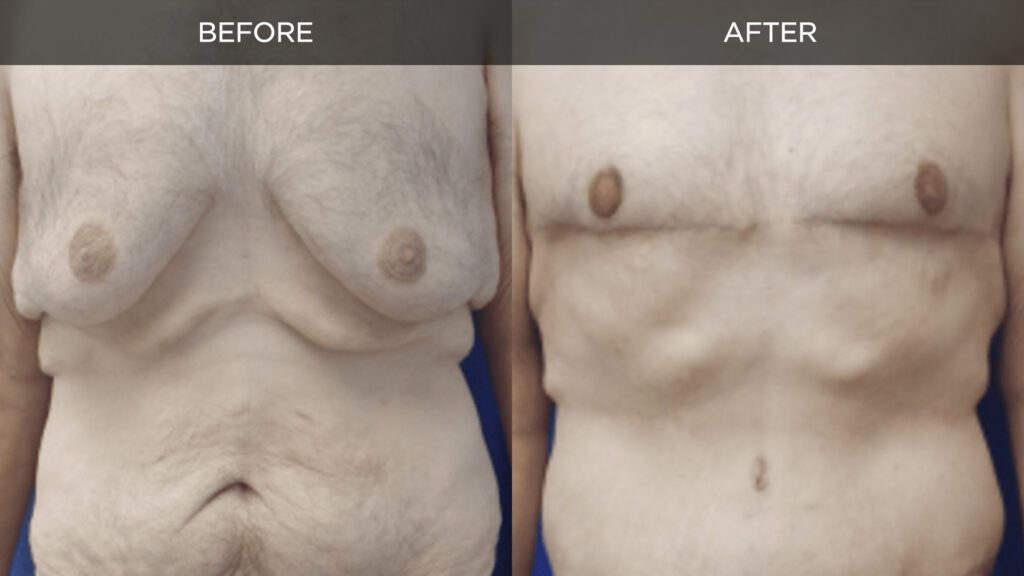
Men can also experience loose skin, excess fat, or breast tissue changes after major weight loss.

Gynecomastia surgery or male chest contouring can remove excess skin, fat, breast tissue, or a combination of these concerns to create a flatter, more masculine chest contour.

This may involve surgical excision, liposuction, or both, depending on the patient’s anatomy. 

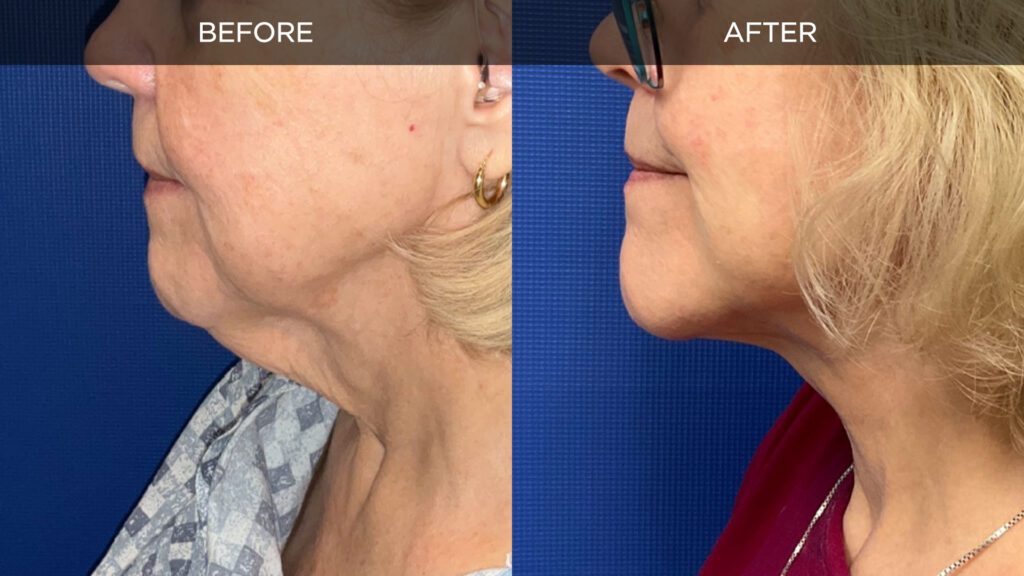
Weight loss can affect the lower face and neck, leading to jowls, loose neck skin, and loss of jawline definition.

A facelift or neck lift may help patients who feel their face or neck looks older, heavier, or less defined after weight loss. These procedures can reposition deeper tissue and remove excess skin for a more refreshed and natural-looking result.

A facelift or neck lift may be appropriate for patients with:

  • Jowls
  • Loose neck skin
  • Loss of jawline definition
  • Sagging lower-face tissue
  • Neck bands or laxity
  • Facial changes that cannot be corrected with fillers alone

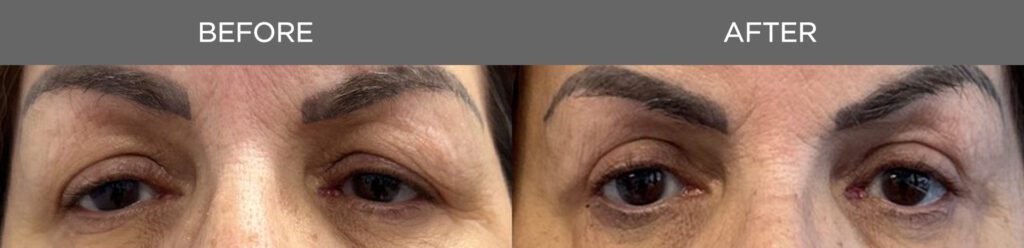
Some patients notice that their eyes look heavier or more tired after weight loss. Eyelid surgery, also called blepharoplasty, removes excess skin and/or fat around the eyelids.

Upper eyelid surgery may be considered when excess upper eyelid skin creates a tired appearance or, in some cases, interferes with peripheral vision. When vision is affected, insurance coverage may be considered depending on evaluation and documentation.

Blepharoplasty may be appropriate for patients with:

  • Heavy upper eyelids
  • Excess eyelid skin
  • Tired-looking eyes
  • Puffiness or eyelid contour concerns
  • Peripheral vision concerns related to upper eyelid skin

Some patients have significant skin laxity around the lower abdomen, hips, buttocks, and thighs. In these cases, a lower body lift or staged post-weight-loss body contouring plan may be considered.

This type of surgery is more extensive and is highly individualized. It may be appropriate for patients with significant excess skin after major weight loss who are medically healthy and weight-stable enough for surgery.

Liposuction may be helpful for selected patients who have remaining areas of fullness after weight loss and good enough skin quality to support contour improvement.

It is important to understand that liposuction is not a weight-loss procedure and does not treat significant loose skin. In post-weight-loss patients, it is usually considered a contour refinement tool rather than the main solution.