
Written by Dr. Prashant Soni
GLP-1 medications have helped many people achieve significant weight loss, and for some patients, the results can be life-changing. Losing weight may improve health, mobility, energy, and confidence in ways that can make a real difference in daily life.
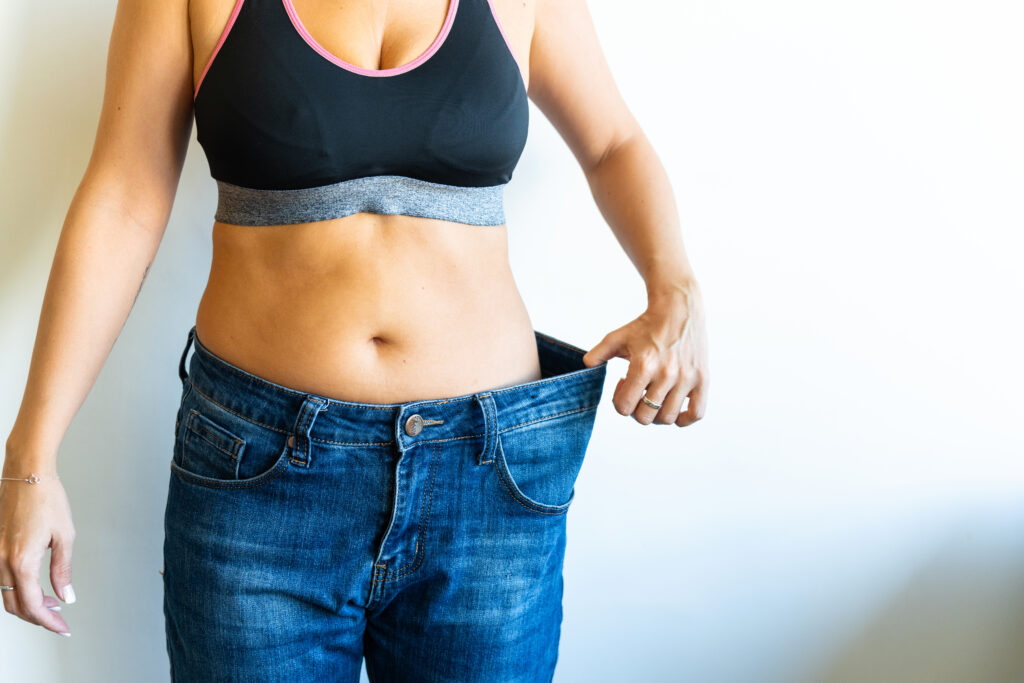
But after significant weight loss, some patients begin noticing changes they did not fully expect. The face may look thinner or more hollow. The neck may appear looser. The abdomen, arms, thighs, or breasts may have excess skin that does not tighten on its own.
This is where the phrase “Ozempic makeover” has started to appear. But while the term may be trendy, the concerns behind it are very real.
Is an “Ozempic Makeover” a Real Procedure?
An “Ozempic makeover” is not one specific surgery or treatment. It is a general phrase people use to describe aesthetic procedures that may help address changes after GLP-1-related weight loss.
It is similar to the way people use the phrase “mommy makeover.” There is no single mommy makeover procedure. Instead, it usually refers to a customized combination of procedures based on a patient’s body, goals, and concerns.
The same idea applies here. After weight loss, one patient may be bothered by facial hollowing. Another may be concerned about loose abdominal skin. Someone else may notice changes in the breasts, arms, thighs, neck, or several areas at once.
That is why the better question is not, “Do I need an Ozempic makeover?” The better question is, “What has changed, and what are my options?”
Why Weight Loss Can Change the Face and Body
When you lose weight, fat volume decreases throughout the body. That can create many positive changes, but it can also affect the support and fullness beneath the skin.
In the face, this may lead to:
- Hollowing in the cheeks or under-eyes
- Deeper folds or lines
- A thinner or more tired appearance
- Jowls or changes along the jawline
- Loose skin in the neck
In the body, patients may notice:
- Loose skin around the abdomen
- Changes in breast shape or position
- Loose skin on the upper arms
- Loose skin on the thighs
- Areas that still feel out of proportion
- Skin that does not “bounce back” after the weight is gone
These changes can happen after any major weight loss, whether it is related to GLP-1 medications, bariatric surgery, lifestyle changes, or a combination of approaches.
The Goal Is Not to Reverse Your Weight Loss
One of the most important things patients should understand is that post-weight-loss aesthetic care is not about undoing their progress.
The goal is to help the face and body better reflect how the patient feels after weight loss.
Some patients want very subtle changes. They may say, “I just want to look less tired,” or “I want to look like myself again.” Others are interested in a more noticeable transformation after reaching a major milestone. Both are valid goals.
A good treatment plan should be personal, realistic, and based on anatomy — not based on a trend.
What Procedures May Be Part of an “Ozempic Makeover”?
Because every patient is different, the right combination of procedures can vary widely. Some patients may only need non-surgical facial rejuvenation. Others may be better candidates for surgery. Some may benefit from a staged plan over time.
Common options may include:
Dermal Fillers and Facial Balancing
For patients with mild to moderate facial volume loss, dermal fillers may help restore balance in areas such as the cheeks, temples, under-eyes, jawline, or folds around the mouth.
The goal is not to overfill the face. After weight loss, filler should be used thoughtfully to restore structure and softness where appropriate.
Sculptra or Radiesse
For some patients, biostimulatory injectables such as Sculptra or Radiesse may be considered as part of a facial rejuvenation plan. These treatments are often used differently than traditional hyaluronic acid fillers and may be helpful in selected patients depending on their goals and anatomy.
Botox or Other Neuromodulators
Botox and similar treatments may help soften expression lines, especially in areas such as the forehead, between the brows, and around the eyes. While these treatments do not replace lost volume or tighten loose skin, they can complement other facial rejuvenation treatments.
Facelift or Neck Lift
When weight loss causes more noticeable laxity in the lower face or neck, injectables may not be enough.
A facelift or neck lift may be more appropriate for patients with jowls, loose neck skin, loss of jawline definition, or sagging in the lower face. These procedures address deeper tissue and skin laxity in a way that non-surgical treatments cannot.
Eyelid Surgery
Some patients feel their eyes look heavier, more tired, or more aged after weight loss. Eyelid surgery may be considered when excess skin or puffiness around the eyes is part of the concern.
Tummy Tuck
Loose abdominal skin is one of the most common concerns after significant weight loss. A tummy tuck can remove excess skin and improve abdominal contour. In some patients, it may also address abdominal muscle separation.
Breast Lift or Breast Reduction
Weight loss can change breast volume, shape, and position. A breast lift may help restore a more lifted breast shape, while breast reduction may be considered for patients who continue to experience heaviness, discomfort, or imbalance.
Arm Lift or Thigh Lift
Loose skin on the upper arms or thighs often does not improve with exercise alone. An arm lift or thigh lift may help patients who are bothered by hanging skin in these areas after weight loss.
Liposuction for Contour Refinement
Liposuction is not a weight-loss procedure, but it may be used in selected patients to refine contour. It is most helpful when there are specific areas of remaining fullness and the skin quality is appropriate.
Why Timing Matters
Timing is one of the biggest factors in post-weight-loss aesthetic care.
If you are still actively losing weight, your face and body may continue to change. In that stage, it may be better to use more conservative treatments or begin planning for surgery later.
If your weight has stabilized, you may be a better candidate for longer-lasting surgical options such as tummy tuck, breast lift, arm lift, thigh lift, facelift, or neck lift.
This does not mean you have to wait to schedule a consultation. In fact, many patients benefit from discussing their options early. A consultation can help you understand what may make sense now, what may be better later, and how to plan safely.
Why It Should Not Be One-Size-Fits-All
The phrase “Ozempic makeover” can make it sound like there is one standard package for everyone, but that is not how good aesthetic care works.
One patient may need facial volume restoration but no surgery. Another may need a neck lift but no fillers. Another may want to address the abdomen first, then consider the arms, thighs, or breasts later.
A safe, effective plan should consider:
- How much weight you have lost
- Whether you are still losing weight
- Whether your weight is stable
- Your overall health
- Your anatomy
- Your skin laxity
- Your areas of concern
- Your recovery time
- Your goals
- Whether procedures should be combined or staged
The best results come from matching the treatment to the patient, not forcing the patient into a preset package.
So, Is an “Ozempic Makeover” Really a Thing?
The term may be new, but the need for post-weight-loss aesthetic care is not.
Plastic surgeons have long helped patients address loose skin, facial changes, breast changes, and body contour concerns after major weight loss. What has changed is that more patients are now experiencing significant weight loss with the help of GLP-1 medications, which means more people are asking what comes next.
An “Ozempic makeover” is really just a modern phrase for something more meaningful: a personalized plan to help patients feel comfortable and confident after weight loss.
Your Next Step After Weight Loss
If GLP-1 weight loss has changed your face, neck, breasts, abdomen, arms, or thighs, you do not have to figure out your options on your own.
Advanced Specialty Care offers Plastic & Cosmetic Surgery consultations for patients after significant weight loss, including surgical and non-surgical options such as dermal fillers, facial rejuvenation, facelift, neck lift, eyelid surgery, tummy tuck, breast lift, breast reduction, arm lift, thigh lift, liposuction, and post-weight-loss body contouring.
Book your appointment with a Plastic & Cosmetic Surgeon at Advanced Specialty Care to discuss which options may be right for your goals.
 – Dr. Prashant Soni
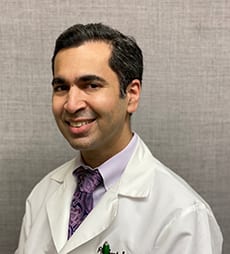
Dr. Prashant Soni is a board-certified plastic, cosmetic & reconstructive surgeon specializing in breast surgery, including breast augmentations, lifts, reductions, male breast reduction, nipple tattoos and post-mastectomy breast reconstruction as well as facelifts, necklifts, eyelid surgery, liposuction, tummy tucks, mommy makeovers, excess skin removal, body procedures, reconstruction following trauma or surgery and Botox and Fillers for anti-aging, lip enhancement and more. Dr. Soni sees patients at Advanced Specialty Care’s Danbury, Norwalk, and Ridgefield, CT offices.
ADVANCED SPECIALTY CARE
Advanced Specialty Care’s Plastic, Cosmetic & Reconstructive surgeons have been rated and awarded as some of the very best in Connecticut, offering the newest and most sophisticated cosmetic & plastic surgery procedures, reconstructive surgeries and non-invasive treatment options for patients of all ages. Call today or request your appointment online with a doctor at any of our convenient offices in Danbury, New Milford, Norwalk, and Ridgefield, CT.
